
Snack food has become a key sector in Europe. In 2024, the European snack food market was worth around €234 billion, accounting for a rising share of meals on the go, nearly 40% of food sales by value.
The nature of that growth is changing though. Customers today don’t just want to eat quickly. They also want to eat food that is better, more local and more transparent, without compromising on cost or speed. For chefs and buyers, it’s clear what has to be done: respond to these new expectations without diminishing their operational performance.
Build locally sourced snack offerings without complicating your production processes
The market is undergoing a profound transformation due to phenomena like eating on the fly, fragmented dining patterns and the pursuit of convenience… but also the increasing importance of consuming healthy, responsible local food. This is particularly clear at impulse purchase locations. With strong growth in the space of a single year, snack food is playing a driving role, especially in high traffic areas.
| In the world of food service, impulse purchases involve the rapid sale of food, often at the till, triggered by a spontaneous, unplanned decision on the part of the consumer. This segment includes bakeries, service stations and other establishments that offer takeaway snack foods. |
The profitability of snack food depends on production times and the amount of waste. A basic, unprepared local product takes up time and generates waste. Conversely though, a product from a European value chain that has already been processed (cooked, pasteurised or quick frozen) can be used immediately. This results in less manpower, less food waste and more consistency. Local ingredients become profitable when incorporated into a general optimisation strategy.
This means having access to:
- Organised value chains that are capable of handling large quantities and frequencies
- Products that are suited to use in snack foods (that are stable, versatile and ready to use).
By adopting this approach, you can avoid unstable menus and stock outages during peak business periods.
Develop and manage a limited yet effective snack food menu
The market’s transformation is being passed on to food service professionals. The most successful actors aren’t the ones that offer the most choice. They’re the ones that have planned their menus the best.
An upsurge in hybrid models
Bakeries and pastry shops are the perfect illustration of this evolution. Although historically focused on baked goods, they have become major players in the snack world. They have managed this by combining these factors:
- Diversified formats (like bowls, wraps, hot dishes and vegan options)
- An upgraded product line
- The use of digital technologies (click & collect, delivery, etc.).
Snack food is now a strategic pillar of their turnover and their patronage.
In this context, a limited menu has become the standard. Reducing the number of recipes can make the production process smoother, boost the perceived quality of your items and reduce losses. On the ground, a streamlined menu can significantly reduce food waste and improve your product rotation.
Be logical with your menu
A high-performing snack menu is built around shared bases, rather than recipe by recipe. The goal is to minimise the number of different preparations your teams must make, while still giving customers an impression of variety.
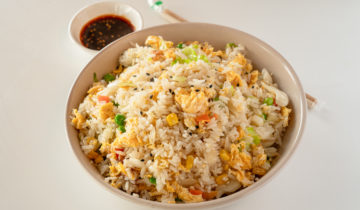
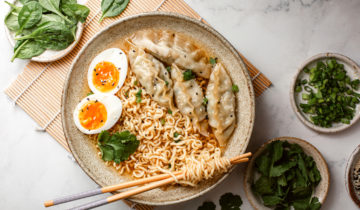
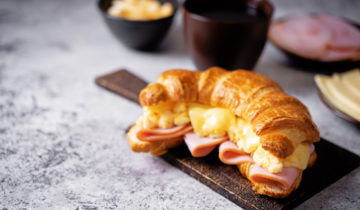
A ready-to-use base of egg products can be used in multiple dishes:
- Scrambled eggs in various wraps
- Peeled hard-boiled eggs in assorted sandwiches
- Liquid whole egg for different quiches and savoury tarts
- Ground (minced) egg as a protein-rich topping for a salad or a bowl.
This way, your teams will have fewer different recipes to work on, employing repetitive gestures that they have mastered. Your mise en place will take less time, and the risk of making a mistake will also shrink.
You’ll have fewer ingredients to order, fewer goods to store and a better product rotation. Egg-based products allow you to easily add eggs to more recipes, while reducing your quantities of unsold items.
Tips for a better and more profitable organisation
In such a dynamic market, execution makes all the difference. Speed, consistency and controlled costs are the real key factors for success.
Speed up service without diminishing the experience
Snack foods demand short turnaround times. The goal is to serve each dish in under two minutes. This requires a strong mise en place, products that are ready to assemble, and standardised recipes.
Pre-cooked and ready-to-use ingredients can shorten your prep time by up to 50%, while guaranteeing product quality.
Manage your flows and rushes
Impulse purchase locations (service stations, bakeries and tourist areas) can experience very sharp spikes in foot traffic. The performance of those places relies on simple recipes, repeated gestures and minimised product handling.
A limited menu can help absorb those rushes without increasing your staffing levels but while still maintaining your quality of service.
Control your margins and reduce food waste
Snack food is a high volume model with great pressure on profit margins. The balance hinges on careful management.
Key points of reference:
- Target cost of ingredients: 25-35%
- Potential reduction in food waste: 20-40% with an optimised menu
- Promotion of local products: leverage for boosting perceived value
Profitability comes from overall coherence: appropriate ingredients, a streamlined menu and a smooth organisation.
Cocotine’s snack food solutions
Cocotine’s egg-based solutions are a quick, easy way to add protein to your vegetarian dishes that will consistently attract diners.
The advantage of these solutions can be felt – and measured – on a daily basis: shorter prep times, less food waste, stable costs and dependable quality, even during a rush. They provide direct responses to the constraints facing high traffic locations where every second counts.
Snack food has emerged as a revenue driver at commercial restaurants, but its consumers are also becoming more demanding. The best models are the ones that are able to reconcile speed with quality and responsibility, without complicating the establishment’s organisation. Cocotine is here to help professionals develop profitable, limited menus, incorporate responsible local products, optimise costs and customer flows, and reduce food waste.